• If a MEWP (Mobile Elevating Work Platform) or platform occupant contacts energised power lines it can cause, electrocution, electric shock, fire, or an explosion. The same effects can occur without contacting a power line by arcing or flashover of electrical energy to a conductor.

  • RF is short for radio frequency. RF is any frequency within the electromagnetic spectrum associated with radio wave propagation. When an RF current is supplied to an antenna, an electromagnetic field is created that is able to travel, or spread through space.

  • Operating MEWPs alongside roads can cause death or serious injury to operators or members of the public if the tasks are not adequately planned and machinery not positioned correctly. Due to the close working environment and proximity with other equipment, passing vehicles, buildings and pedestrians, the risk of a MEWP being impacted is significantly increased.

  • Tyres on Mobile Elevating Work Platforms (MEWPs) can sometimes be the only contact points between the MEWP structure and the ground and are critical to the stability of the MEWP.

    The tyres, whether solid, air filled or polyurethane foam-filled support the weight of the machine while it is in use. In certain boom configurations this can be up to 80% of the total machine weight over one tyre.

  • Quickly rescuing someone who has become trapped at height can make a very significant difference to the injuries sustained – it may be the difference between life and death.

  • The loading of people and materials is critical to the safe operation of hoists. Unsecured loading could have an adverse effect and lead to serious injury or death of personnel. This TBT provides information on loading hoists correctly.

  • Mobile Elevating Work Platforms (MEWPs), are a safe and effective means of access for undertaking temporary work at height tasks. It is important to remember a MEWP is only as safe as the person who is operating it. If this equipment is used incorrectly, unsafely or by inexperienced people, accidents and fatalities are more likely to happen.

    This Toolbox Talk provides some safety measures which can reduce the risk of falls from the platform.

  • The loading of people and equipment is one of the critical tasks during the operation of MCWP’s. Inappropriate loading, overloading or unsecured loads will have an adverse effect on the platform and could lead to serious injury or death of personnel. This Toolbox Talk provides information on the correct loading of MCWP’s.

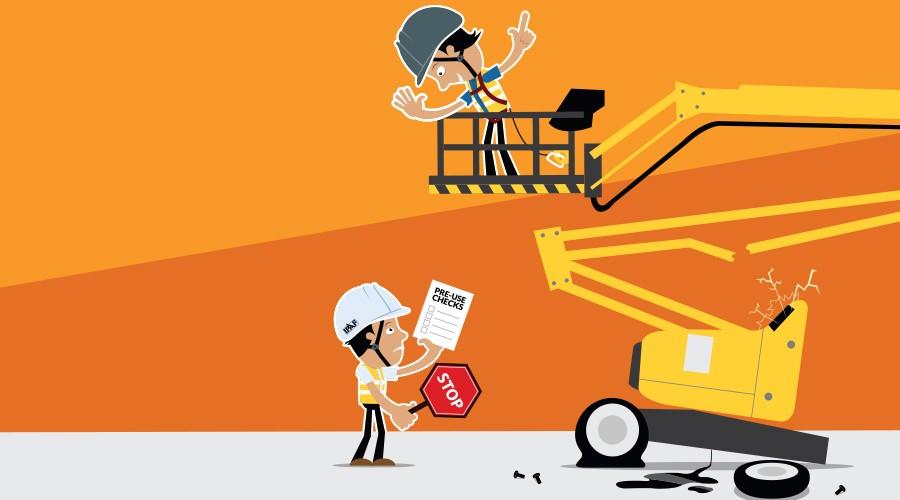
  • Mobile Elevating Work Platform (MEWP) on-site servicing often carries higher risks than workshop servicing.

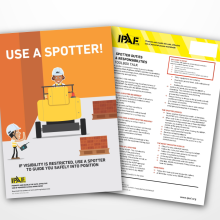
  • Mobile Elevating Work Platforms (MEWPs) can operate in many environments. In some situations, hazards may be identified that are difficult to be seen by the operator, including moving traffic or pedestrians. In these cases, a Spotter may be used but they must be competent and authorised.

    Use a spotter!
  • Moving, testing, servicing or repairing MEWPs exposes workshop employees to hazards and risks that vary based on the type of MEWP and the type of service or repair being carried out. Failure to properly identify those hazards and eliminate or manage those risks or failure to follow work or service instructions, could lead to property damage, injury, ill-health or death.

  • To stay safe and not distract the operator when the Mobile Elevating Work Platform (MEWP) is in motion.

  • Why do you need rescue procedures? A robust, documented rescue procedure is required to lower the Mobile Elevating Work Platform (MEWP) platform occupants in case of a malfunction or emergency. Any delay in rescuing the MEWP platform occupants may be the difference between life and death.

  • Harnesses and lanyards prevent severe injury or death by preventing falls from MEWPs, therefore it is essential that you check the condition and function before every use. Through use, PFPE could become damaged, worn or lose parts. These checks must be repeated before every use.

  • When working at height in a Mobile Elevating Work Platform (MEWP), one of the leading causes of death and severe injury is falls from the platform. This toolbox talk looks at the risks and how to prevent falling from the platform.