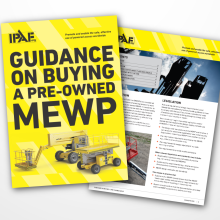
Mobile Elevating Work Platforms (MEWPs) are considered to be one of the safest means of enabling temporary work at height. When buying a pre-owned MEWP, it is essential to ensure that the equipment complies with the relevant safety legislation and standards/codes of practice requirements in the country or region where it will be operating, before it is used. Every MEWP must be supplied in a safe working condition, with all safety devices functional.
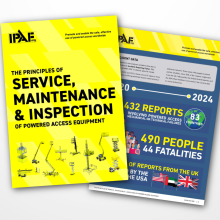
Regular servicing, maintenance and inspection can prolong the lifespan of powered access equipment. In doing so, it ensures the equipment is safe, reliable, and remains compliant with global legislation and safety standards.
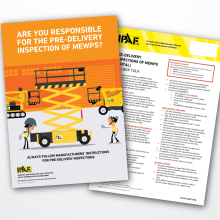
Mobile Elevating Work Platform (MEWP) rental companies should carry out a Pre-Delivery Inspection (PDI) before the equipment is made available for hire. The purpose of this is to ensure the MEWP is operating within the specified design requirements of the Original Equipment Manufacturer (OEM).
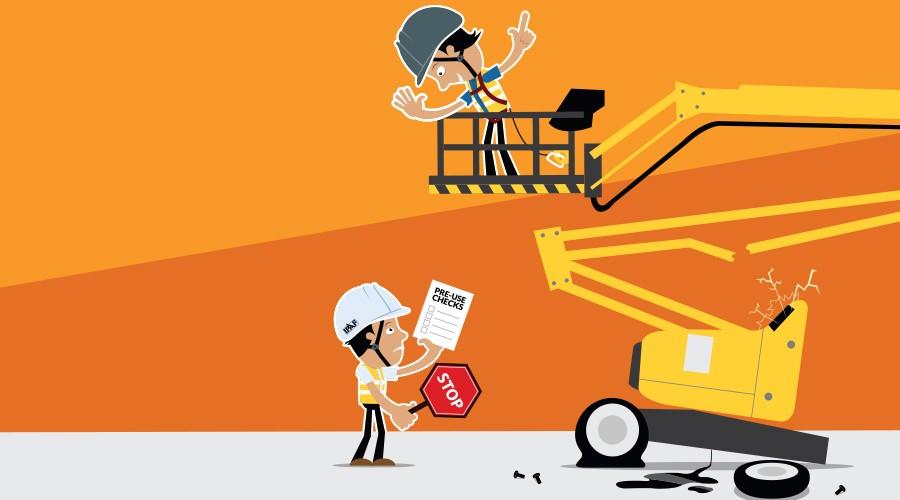
While powered access remains one of the safest methods for performing temporary work at height, incidents involving mechanical or technical failures can still lead to serious injuries and fatalities. IPAF emphasises that many of these incidents are preventable through consistent inspection routines, proper maintenance, and adherence to safety procedures.
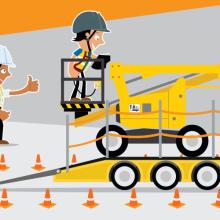
The latest video, titled “Pedestrian Control Incident”, tells the story of a delivery driver who sustained a fractured ankle while delivering two Mobile Elevating Work Platforms (MEWPs) to a manufacturing facility in England.
Krafthand Media has published this year's edition of the German-language IPAF-Journal magazine. The circulation of 40,000 copies is distributed through IPAF member companies and training centres to customers, course participants and other interested parties, as well as through the recipients of bd-baumaschinenendienst and GaLaBau magazines to companies in the construction industry.
Mobile Elevating Work Platforms (MEWPs) can operate in many environments. In some situations, hazards may be identified that are difficult to be seen by the operator, including moving traffic or pedestrians. In these cases, a Spotter may be used but they must be competent and authorised.
While powered access remains one of the safest methods for performing temporary work at height, incidents involving mechanical or technical failures can still lead to serious injuries and fatalities. IPAF emphasises that many of these incidents are preventable through consistent inspection routines, proper maintenance, and adherence to safety procedures.