Search

  • Across the region, we are seeing a significant increase in both new IPAF members joining the community and training activity being carried out at higher levels than ever before.

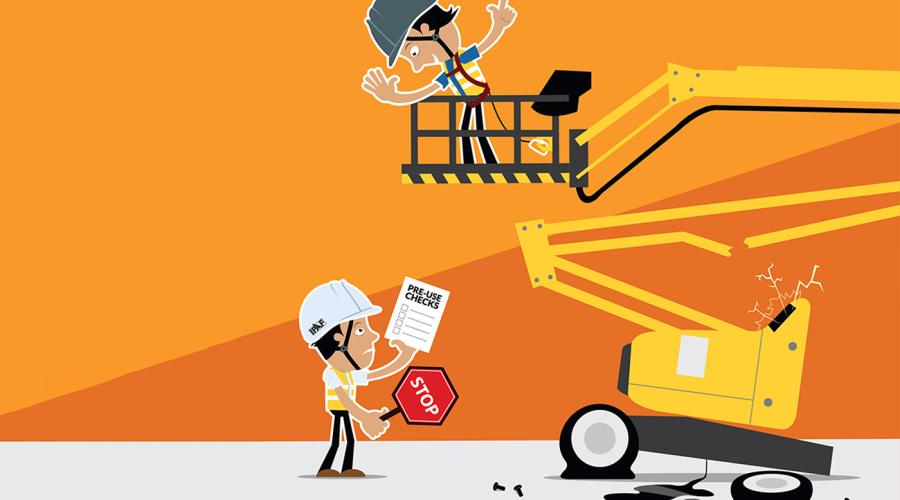
  • The latest video, titled “Pedestrian Control Incident”, tells the story of a delivery driver who sustained a fractured ankle while delivering two Mobile Elevating Work Platforms (MEWPs) to a manufacturing facility in England.

  • Watch this webinar to find out more about what a MEWP Spotter is, why and when they are needed, and importantly, how they can help reduce worksite accidents on site. You’ll hear from contractors, many of whom now use MEWP Spotters as standard practice as part of their risk assessments. Learn how standardised training of the MEWP Spotter role can support safe, efficient working practices.

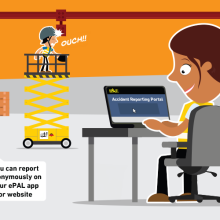
  • Always Report Accidents & Near-Misses

    Always Report Accidents!
  • IPAF and KHL Group announces that the 2026 International Awards for Powered Access (IAPAs) and the IPAF Summit, scheduled to be held in Istanbul, Turkey on 21 and 22 April, will be rescheduled to 14 and 15 October this year.

  • As an IPAF member, you will join a global community driving the safe and effective use of powered access, helping to reduce incidents and enable safer work at height. Whether you’re a manufacturer, rental company, training centre, contractor, or an individual professional, IPAF membership will give you practical support while also demonstrating your commitment to safety. 

  • The International Powered Access Federation (IPAF) has released a new eLearning MEWP Spotter Training Course, designed for anyone who assists a mobile elevating work platform (MEWP) operator in safely manoeuvring a machine into position.

  • To apply to become a member of IPAF, please complete all applicable sections below.

  • This notice is valid as of 21 January 2026. It is reviewed periodically and at least annually to ensure compliance with the General Data Protection Regulation and legislative requirements defined by law, where appropriate. It is applicable for the following users:

  • Why provide training

    • IPAF training is in demand and is good business for you; you can earn additional revenue and set the course fees for the training you provide.
    • Help improve safety in the workplace; most legislation, covering health and safety obligations, accident prevent
  • All active IPAF training centres are subject to quality audits and expected to meet stringent quality procedures. This ensures that training is delivered to high standards on a consistent basis throughout the world. 

  • What is a PAL Card? 

    A PAL Card is a Powered Access Licence for operating mobile elevating work platforms (MEWPs), mast climbing work platforms (MCWPs) or construction hoists (CHs).

  • What is CAP?   

    CAP stands for 'competent assessed person'.

  • A webinar and updated white paper aimed at helping companies to become compliant with new North American standards on the design, safe use and training of Mobile Elevating Work Platforms (MEWPs), formerly known as Aerial Work Platforms (AWPs) have been published by the International Powered Access Federation (IPAF).

  • The fatal injury rate (FIR) for mobile elevating work platforms (MEWPs) declined in 2016, despite the fact that the total MEWP rental fleet and the number of rental days worldwide increased significantly over the same period.

  • Familiarisation is required prior to operating any MEWP that is significantly different in weight, height, length or complexity to the MEWP on which training took place. The operator, supervisor, nominated ground rescue personnel, service engineer/ technician and demonstrator all need adequate familiarisation of the MEWP prior to undertaking their duties.

    familiarisation
  • Mobile elevating work platforms (MEWPs) are specifically designed to lift people to a position where they can work at height safely within the platform. MEWPs are not designed to transfer people from one level to another, or for people to exit the platform at height.

    Exiting the Platform at Height