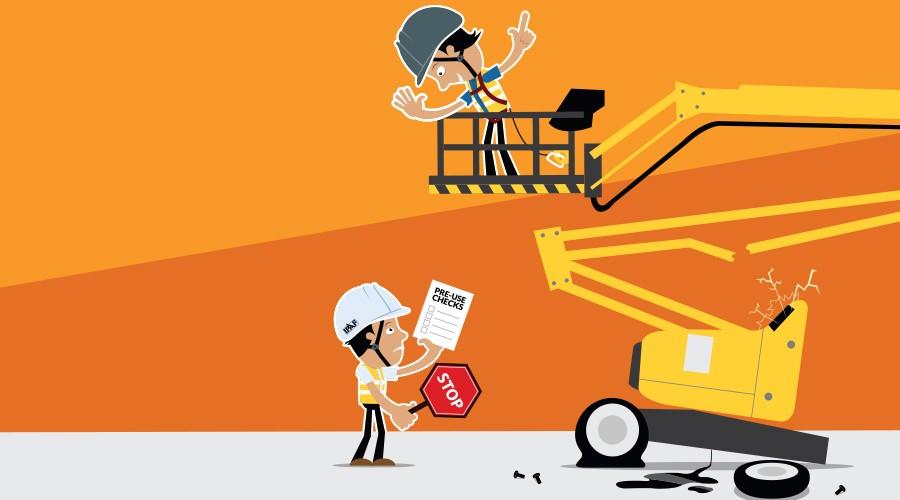
Check It! Safety is Everyone's Responsibility
IPAF’s 2026 global safety campaign, Check It!, highlights the importance of pre-use inspections, proper maintenance and regular servicing of powered access equipment. The campaign reminds everyone involved in work at height — including operators, managers, rental providers and contractors — that safety is a shared responsibility and that many serious incidents can be prevented through consistent checks and safe working practices.
Although powered access remains one of the safest methods for carrying out temporary work at height, mechanical and technical failures can still result in serious injury or loss of life. IPAF states that these risks are often avoidable when equipment is properly maintained, inspected and checked before use.
What this safety alert covers
This safety alert focuses on the main issues highlighted by IPAF’s 2026 campaign:
- The hazards linked to mechanical and technical equipment failure
- The risks created by poor maintenance, inspection and pre-use checks
- Practical actions that help reduce failures and prevent incidents
- Who is responsible for different types of equipment checks
- Why reporting incidents and near misses matters for improving industry safety data
Why this matters
There were eight reports of fatal and major injuries related to mechanical or technical failures across powered access equipment in 2024, including six fatalities. IPAF notes that this represented a 33% year-on-year decrease in reports and a 45% decrease in fatalities, but stresses that every incident is preventable and every life lost is one too many. Brian Parker, Head of Safety & Technical at IPAF, said that many incidents involving powered access equipment can be avoided by making sure machines are maintained correctly, inspected properly and checked before use.
Actions for users and duty holders
To reduce the risk of mechanical or technical failure, users and those responsible for equipment should:
- Carry out thorough pre-use inspections before every shift
- Ensure servicing, maintenance and inspections are completed at the correct intervals
- Remove unsafe or defective equipment from service immediately
- Make sure responsibilities for inspection, maintenance and handover checks are clearly understood
- Encourage prompt reporting of defects, incidents and near misses
- Use manufacturer and industry guidance to support safe operation and maintenance
READ THE FULL CAMPAIGN AND DOWNLOAD NEW GUIDANCE AND RESOURCES