The importance of accident reporting
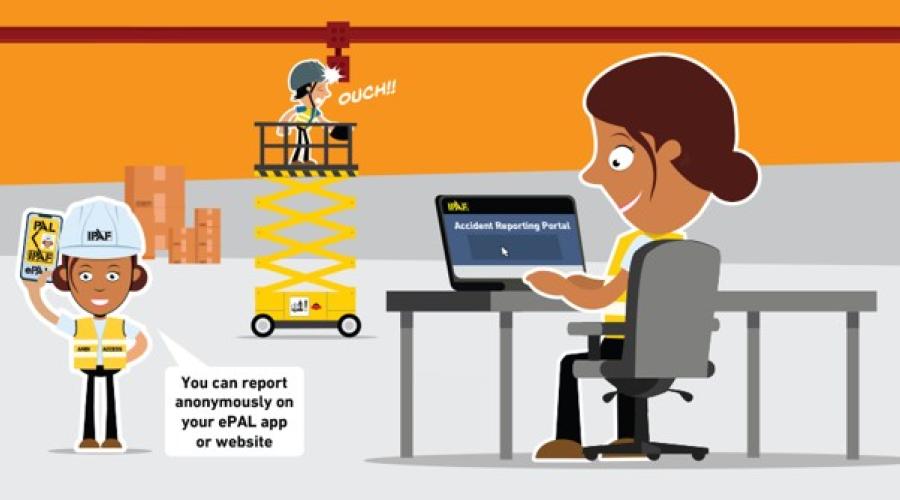
Reporting accidents, incidents and near-misses to IPAF is vital. This data helps develop training, guidance and safety resources to prevent future incidents.
HOW IPAF USES ACCIDENT DATA
By analysing reported incidents, IPAF identifies trends and learning points in areas such as:
- Type of machine involved
- Where incidents happen (location)
- Which parts of the industry are affected (industry sector)
- Who is involved (role, e.g., operator, service personnel, delivery driver, platform occupant)
- What kind of event it is (incident type, e.g., falls from the platform, overturns, electrocutions)
The information you provide helps identify primary hazards, as well as previously unrecognised risks or weaknesses in procedures, equipment, or training.
CONFIDENTIALITY OF REPORTS
- Reports can be made anonymously without revealing personal/company details
- Before data is used, IPAF deletes any identifiable information submitted
- All data is kept confidential and will not be shared with third party companies
- Only report analysis is shared not incident details
BULK UPLOADING OF DATA
To support organisations managing higher volumes of data, the IPAF Accident Reporting Portal now offers a bulk upload feature, allowing multiple incidents to be submitted quickly and efficiently in one process. This reduces administrative effort, improves consistency of reporting, and helps ensure that valuable safety data is captured without delay. The tool is particularly beneficial for larger fleets or rental companies, enabling seamless integration of internal records with IPAF’s global database. Further guidance on how to use this feature can be found here: Bulk Upload Help Guidance